ICSE-X-Biology
Previous Year Paper year:2012
- #5: (a) Study the diagram given below and then answer the questions that follow :
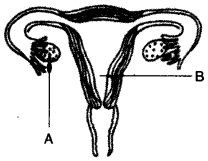 (a) Name the part labelled A. Name any two hormones produced by the part labelled A. (a) What happens to the part labelled B :
(1) If fertilisation takes place ? (2) If fertilisation does not take place ? (a) Where does fertilisation occur ? (a) Draw a neat diagram of the human sperm as seen under high magnifi-cation and label the following parts.
(1) Acrosome (2) Mitochondria (b) A homozygous plant having round (R) and yellow (Y) seed is crossed with homozygous plant having wrinkled (r) and green (y) seeds : (b) Give the scientific name of the plant on which Mendel conducted his hybridization experiments. (b) Give the genotype of the F1 generation. (b) Give the dihybrid phenotypic ratio and the phenotype of the offspring of the F2 generation when two plants of the F1 generation are crossed. (b) Name and state the law which explains the dihybrid ratio. (b) Give the possible combinations of gametes that can be obtained from F1 hybrid. (a) Study the diagram given below and then answer the questions that follow :
(a) Name the part labelled A. Name any two hormones produced by the part labelled A. (a) What happens to the part labelled B :
(1) If fertilisation takes place ? (2) If fertilisation does not take place ? (a) Where does fertilisation occur ? (a) Draw a neat diagram of the human sperm as seen under high magnifi-cation and label the following parts.
(1) Acrosome (2) Mitochondria (b) A homozygous plant having round (R) and yellow (Y) seed is crossed with homozygous plant having wrinkled (r) and green (y) seeds : (b) Give the scientific name of the plant on which Mendel conducted his hybridization experiments. (b) Give the genotype of the F1 generation. (b) Give the dihybrid phenotypic ratio and the phenotype of the offspring of the F2 generation when two plants of the F1 generation are crossed. (b) Name and state the law which explains the dihybrid ratio. (b) Give the possible combinations of gametes that can be obtained from F1 hybrid. (a) Name the part labelled A. Name any two hormones produced by the part labelled A. (a) What happens to the part labelled B :
(1) If fertilisation takes place ? (2) If fertilisation does not take place ? (a) Where does fertilisation occur ? (a) Draw a neat diagram of the human sperm as seen under high magnifi-cation and label the following parts.
(1) Acrosome (2) Mitochondria (b) A homozygous plant having round (R) and yellow (Y) seed is crossed with homozygous plant having wrinkled (r) and green (y) seeds : (b) Give the scientific name of the plant on which Mendel conducted his hybridization experiments. (b) Give the genotype of the F1 generation. (b) Give the dihybrid phenotypic ratio and the phenotype of the offspring of the F2 generation when two plants of the F1 generation are crossed. (b) Name and state the law which explains the dihybrid ratio. (b) Give the possible combinations of gametes that can be obtained from F1 hybrid. (a) Name the part labelled A. Name any two hormones produced by the part labelled A. (a) What happens to the part labelled B :
(1) If fertilisation takes place ? (2) If fertilisation does not take place ? (a) Where does fertilisation occur ? (a) Draw a neat diagram of the human sperm as seen under high magnifi-cation and label the following parts.
(1) Acrosome (2) Mitochondria (b) A homozygous plant having round (R) and yellow (Y) seed is crossed with homozygous plant having wrinkled (r) and green (y) seeds : (b) Give the scientific name of the plant on which Mendel conducted his hybridization experiments. (b) Give the genotype of the F1 generation. (b) Give the dihybrid phenotypic ratio and the phenotype of the offspring of the F2 generation when two plants of the F1 generation are crossed. (b) Name and state the law which explains the dihybrid ratio. (b) Give the possible combinations of gametes that can be obtained from F1 hybrid. (a) Study the diagram given below and then answer the questions that follow :
(a) Name the part labelled A. Name any two hormones produced by the part labelled A. (a) What happens to the part labelled B :
(1) If fertilisation takes place ? (2) If fertilisation does not take place ? (a) Where does fertilisation occur ? (a) Draw a neat diagram of the human sperm as seen under high magnifi-cation and label the following parts.
(1) Acrosome (2) Mitochondria (b) A homozygous plant having round (R) and yellow (Y) seed is crossed with homozygous plant having wrinkled (r) and green (y) seeds : (b) Give the scientific name of the plant on which Mendel conducted his hybridization experiments. (b) Give the genotype of the F1 generation. (b) Give the dihybrid phenotypic ratio and the phenotype of the offspring of the F2 generation when two plants of the F1 generation are crossed. (b) Name and state the law which explains the dihybrid ratio. (b) Give the possible combinations of gametes that can be obtained from F1 hybrid. (a) Name the part labelled A. Name any two hormones produced by the part labelled A. (a) What happens to the part labelled B :
(1) If fertilisation takes place ? (2) If fertilisation does not take place ? (a) Where does fertilisation occur ? (a) Draw a neat diagram of the human sperm as seen under high magnifi-cation and label the following parts.
(1) Acrosome (2) Mitochondria (b) A homozygous plant having round (R) and yellow (Y) seed is crossed with homozygous plant having wrinkled (r) and green (y) seeds : (b) Give the scientific name of the plant on which Mendel conducted his hybridization experiments. (b) Give the genotype of the F1 generation. (b) Give the dihybrid phenotypic ratio and the phenotype of the offspring of the F2 generation when two plants of the F1 generation are crossed. (b) Name and state the law which explains the dihybrid ratio. (b) Give the possible combinations of gametes that can be obtained from F1 hybrid. (a) Name the part labelled A. Name any two hormones produced by the part labelled A. (a) What happens to the part labelled B :
(1) If fertilisation takes place ? (2) If fertilisation does not take place ? (a) Where does fertilisation occur ? (a) Draw a neat diagram of the human sperm as seen under high magnifi-cation and label the following parts.
(1) Acrosome (2) Mitochondria (b) A homozygous plant having round (R) and yellow (Y) seed is crossed with homozygous plant having wrinkled (r) and green (y) seeds : (b) Give the scientific name of the plant on which Mendel conducted his hybridization experiments. (b) Give the genotype of the F1 generation. (b) Give the dihybrid phenotypic ratio and the phenotype of the offspring of the F2 generation when two plants of the F1 generation are crossed. (b) Name and state the law which explains the dihybrid ratio. (b) Give the possible combinations of gametes that can be obtained from F1 hybrid. (a) Study the diagram given below and then answer the questions that follow :
(a) Name the part labelled A. Name any two hormones produced by the part labelled A. (a) What happens to the part labelled B :
(1) If fertilisation takes place ? (2) If fertilisation does not take place ? (a) Where does fertilisation occur ? (a) Draw a neat diagram of the human sperm as seen under high magnifi-cation and label the following parts.
(1) Acrosome (2) Mitochondria (b) A homozygous plant having round (R) and yellow (Y) seed is crossed with homozygous plant having wrinkled (r) and green (y) seeds : (b) Give the scientific name of the plant on which Mendel conducted his hybridization experiments. (b) Give the genotype of the F1 generation. (b) Give the dihybrid phenotypic ratio and the phenotype of the offspring of the F2 generation when two plants of the F1 generation are crossed. (b) Name and state the law which explains the dihybrid ratio. (b) Give the possible combinations of gametes that can be obtained from F1 hybrid. (a) Name the part labelled A. Name any two hormones produced by the part labelled A. (a) What happens to the part labelled B :
(1) If fertilisation takes place ? (2) If fertilisation does not take place ? (a) Where does fertilisation occur ? (a) Draw a neat diagram of the human sperm as seen under high magnifi-cation and label the following parts.
(1) Acrosome (2) Mitochondria (b) A homozygous plant having round (R) and yellow (Y) seed is crossed with homozygous plant having wrinkled (r) and green (y) seeds : (b) Give the scientific name of the plant on which Mendel conducted his hybridization experiments. (b) Give the genotype of the F1 generation. (b) Give the dihybrid phenotypic ratio and the phenotype of the offspring of the F2 generation when two plants of the F1 generation are crossed. (b) Name and state the law which explains the dihybrid ratio. (b) Give the possible combinations of gametes that can be obtained from F1 hybrid. (a) Name the part labelled A. Name any two hormones produced by the part labelled A. (a) What happens to the part labelled B :
(1) If fertilisation takes place ? (2) If fertilisation does not take place ? (a) Where does fertilisation occur ? (a) Draw a neat diagram of the human sperm as seen under high magnifi-cation and label the following parts.
(1) Acrosome (2) Mitochondria (b) A homozygous plant having round (R) and yellow (Y) seed is crossed with homozygous plant having wrinkled (r) and green (y) seeds : (b) Give the scientific name of the plant on which Mendel conducted his hybridization experiments. (b) Give the genotype of the F1 generation. (b) Give the dihybrid phenotypic ratio and the phenotype of the offspring of the F2 generation when two plants of the F1 generation are crossed. (b) Name and state the law which explains the dihybrid ratio. (b) Give the possible combinations of gametes that can be obtained from F1 hybrid. (a) Study the diagram given below and then answer the questions that follow :
(a) Name the part labelled A. Name any two hormones produced by the part labelled A. (a) What happens to the part labelled B :
(1) If fertilisation takes place ? (2) If fertilisation does not take place ? (a) Where does fertilisation occur ? (a) Draw a neat diagram of the human sperm as seen under high magnifi-cation and label the following parts.
(1) Acrosome (2) Mitochondria (b) A homozygous plant having round (R) and yellow (Y) seed is crossed with homozygous plant having wrinkled (r) and green (y) seeds : (b) Give the scientific name of the plant on which Mendel conducted his hybridization experiments. (b) Give the genotype of the F1 generation. (b) Give the dihybrid phenotypic ratio and the phenotype of the offspring of the F2 generation when two plants of the F1 generation are crossed. (b) Name and state the law which explains the dihybrid ratio. (b) Give the possible combinations of gametes that can be obtained from F1 hybrid. (a) Name the part labelled A. Name any two hormones produced by the part labelled A. (a) What happens to the part labelled B :
(1) If fertilisation takes place ? (2) If fertilisation does not take place ? (a) Where does fertilisation occur ? (a) Draw a neat diagram of the human sperm as seen under high magnifi-cation and label the following parts.
(1) Acrosome (2) Mitochondria (b) A homozygous plant having round (R) and yellow (Y) seed is crossed with homozygous plant having wrinkled (r) and green (y) seeds : (b) Give the scientific name of the plant on which Mendel conducted his hybridization experiments. (b) Give the genotype of the F1 generation. (b) Give the dihybrid phenotypic ratio and the phenotype of the offspring of the F2 generation when two plants of the F1 generation are crossed. (b) Name and state the law which explains the dihybrid ratio. (b) Give the possible combinations of gametes that can be obtained from F1 hybrid. (a) Name the part labelled A. Name any two hormones produced by the part labelled A. (a) What happens to the part labelled B :
(1) If fertilisation takes place ? (2) If fertilisation does not take place ? (a) Where does fertilisation occur ? (a) Draw a neat diagram of the human sperm as seen under high magnifi-cation and label the following parts.
(1) Acrosome (2) Mitochondria (b) A homozygous plant having round (R) and yellow (Y) seed is crossed with homozygous plant having wrinkled (r) and green (y) seeds : (b) Give the scientific name of the plant on which Mendel conducted his hybridization experiments. (b) Give the genotype of the F1 generation. (b) Give the dihybrid phenotypic ratio and the phenotype of the offspring of the F2 generation when two plants of the F1 generation are crossed. (b) Name and state the law which explains the dihybrid ratio. (b) Give the possible combinations of gametes that can be obtained from F1 hybrid.Ans : (a) (a) A - Ovary: Two hormones are :
(1.) Oesterogen
(2.) Progesteron (a) (1) If fertilisation takes place, part B i.e. uterus gets prepared to receieve the embryo. The endometrial lining thickens and gets highly vascularised.
(2) If fertilisation does not take place part B, then the endometrial lining of uterus erodes causing bleeding i.e., menstruation. (a) Fertilisation occurs in the fallopian tube/oviduct. (a)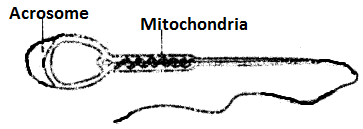 (b) (b) Pisum sativum (b) Genotype of the F1 generation Rr Yy (b) Ratio of F2 generation 9:3:3:1 Phenotypes of F2 generation are:
1. Round and yellow 2. Round and green
3. Wrinkled and yellow 4. Wrinkled and green (b) Law of Independent Assortment. (b) F1 genotype: Rr Yy
So possible gamete combinations are
1. RY = Round yellow
2. rY = Wrinkled yellow
3. Ry = Round green
4. ry = Wrinkled green (a) (a) A - Ovary: Two hormones are :
(1.) Oesterogen
(2.) Progesteron (a) (1) If fertilisation takes place, part B i.e. uterus gets prepared to receieve the embryo. The endometrial lining thickens and gets highly vascularised.
(2) If fertilisation does not take place part B, then the endometrial lining of uterus erodes causing bleeding i.e., menstruation. (a) Fertilisation occurs in the fallopian tube/oviduct. (a) (b) (b) Pisum sativum (b) Genotype of the F1 generation Rr Yy (b) Ratio of F2 generation 9:3:3:1 Phenotypes of F2 generation are:
1. Round and yellow 2. Round and green
3. Wrinkled and yellow 4. Wrinkled and green (b) Law of Independent Assortment. (b) F1 genotype: Rr Yy
So possible gamete combinations are
1. RY = Round yellow
2. rY = Wrinkled yellow
3. Ry = Round green
4. ry = Wrinkled green (a) A - Ovary: Two hormones are :
(1.) Oesterogen
(2.) Progesteron (a) (1) If fertilisation takes place, part B i.e. uterus gets prepared to receieve the embryo. The endometrial lining thickens and gets highly vascularised.
(2) If fertilisation does not take place part B, then the endometrial lining of uterus erodes causing bleeding i.e., menstruation. (a) Fertilisation occurs in the fallopian tube/oviduct. (a) (b) (b) Pisum sativum (b) Genotype of the F1 generation Rr Yy (b) Ratio of F2 generation 9:3:3:1 Phenotypes of F2 generation are:
1. Round and yellow 2. Round and green
3. Wrinkled and yellow 4. Wrinkled and green (b) Law of Independent Assortment. (b) F1 genotype: Rr Yy
So possible gamete combinations are
1. RY = Round yellow
2. rY = Wrinkled yellow
3. Ry = Round green
4. ry = Wrinkled green (a) A - Ovary: Two hormones are :
(1.) Oesterogen
(2.) Progesteron (a) (1) If fertilisation takes place, part B i.e. uterus gets prepared to receieve the embryo. The endometrial lining thickens and gets highly vascularised.
(2) If fertilisation does not take place part B, then the endometrial lining of uterus erodes causing bleeding i.e., menstruation. (a) Fertilisation occurs in the fallopian tube/oviduct. (a) (b) (b) Pisum sativum (b) Genotype of the F1 generation Rr Yy (b) Ratio of F2 generation 9:3:3:1 Phenotypes of F2 generation are:
1. Round and yellow 2. Round and green
3. Wrinkled and yellow 4. Wrinkled and green (b) Law of Independent Assortment. (b) F1 genotype: Rr Yy
So possible gamete combinations are
1. RY = Round yellow
2. rY = Wrinkled yellow
3. Ry = Round green
4. ry = Wrinkled green (a) (a) A - Ovary: Two hormones are :
(1.) Oesterogen
(2.) Progesteron (a) (1) If fertilisation takes place, part B i.e. uterus gets prepared to receieve the embryo. The endometrial lining thickens and gets highly vascularised.
(2) If fertilisation does not take place part B, then the endometrial lining of uterus erodes causing bleeding i.e., menstruation. (a) Fertilisation occurs in the fallopian tube/oviduct. (a) (b) (b) Pisum sativum (b) Genotype of the F1 generation Rr Yy (b) Ratio of F2 generation 9:3:3:1 Phenotypes of F2 generation are:
1. Round and yellow 2. Round and green
3. Wrinkled and yellow 4. Wrinkled and green (b) Law of Independent Assortment. (b) F1 genotype: Rr Yy
So possible gamete combinations are
1. RY = Round yellow
2. rY = Wrinkled yellow
3. Ry = Round green
4. ry = Wrinkled green (a) A - Ovary: Two hormones are :
(1.) Oesterogen
(2.) Progesteron (a) (1) If fertilisation takes place, part B i.e. uterus gets prepared to receieve the embryo. The endometrial lining thickens and gets highly vascularised.
(2) If fertilisation does not take place part B, then the endometrial lining of uterus erodes causing bleeding i.e., menstruation. (a) Fertilisation occurs in the fallopian tube/oviduct. (a) (b) (b) Pisum sativum (b) Genotype of the F1 generation Rr Yy (b) Ratio of F2 generation 9:3:3:1 Phenotypes of F2 generation are:
1. Round and yellow 2. Round and green
3. Wrinkled and yellow 4. Wrinkled and green (b) Law of Independent Assortment. (b) F1 genotype: Rr Yy
So possible gamete combinations are
1. RY = Round yellow
2. rY = Wrinkled yellow
3. Ry = Round green
4. ry = Wrinkled green (a) A - Ovary: Two hormones are :
(1.) Oesterogen
(2.) Progesteron (a) (1) If fertilisation takes place, part B i.e. uterus gets prepared to receieve the embryo. The endometrial lining thickens and gets highly vascularised.
(2) If fertilisation does not take place part B, then the endometrial lining of uterus erodes causing bleeding i.e., menstruation. (a) Fertilisation occurs in the fallopian tube/oviduct. (a) (b) (b) Pisum sativum (b) Genotype of the F1 generation Rr Yy (b) Ratio of F2 generation 9:3:3:1 Phenotypes of F2 generation are:
1. Round and yellow 2. Round and green
3. Wrinkled and yellow 4. Wrinkled and green (b) Law of Independent Assortment. (b) F1 genotype: Rr Yy
So possible gamete combinations are
1. RY = Round yellow
2. rY = Wrinkled yellow
3. Ry = Round green
4. ry = Wrinkled green (a) (a) A - Ovary: Two hormones are :
(1.) Oesterogen
(2.) Progesteron (a) (1) If fertilisation takes place, part B i.e. uterus gets prepared to receieve the embryo. The endometrial lining thickens and gets highly vascularised.
(2) If fertilisation does not take place part B, then the endometrial lining of uterus erodes causing bleeding i.e., menstruation. (a) Fertilisation occurs in the fallopian tube/oviduct. (a) (b) (b) Pisum sativum (b) Genotype of the F1 generation Rr Yy (b) Ratio of F2 generation 9:3:3:1 Phenotypes of F2 generation are:
1. Round and yellow 2. Round and green
3. Wrinkled and yellow 4. Wrinkled and green (b) Law of Independent Assortment. (b) F1 genotype: Rr Yy
So possible gamete combinations are
1. RY = Round yellow
2. rY = Wrinkled yellow
3. Ry = Round green
4. ry = Wrinkled green (a) A - Ovary: Two hormones are :
(1.) Oesterogen
(2.) Progesteron (a) (1) If fertilisation takes place, part B i.e. uterus gets prepared to receieve the embryo. The endometrial lining thickens and gets highly vascularised.
(2) If fertilisation does not take place part B, then the endometrial lining of uterus erodes causing bleeding i.e., menstruation. (a) Fertilisation occurs in the fallopian tube/oviduct. (a) (b) (b) Pisum sativum (b) Genotype of the F1 generation Rr Yy (b) Ratio of F2 generation 9:3:3:1 Phenotypes of F2 generation are:
1. Round and yellow 2. Round and green
3. Wrinkled and yellow 4. Wrinkled and green (b) Law of Independent Assortment. (b) F1 genotype: Rr Yy
So possible gamete combinations are
1. RY = Round yellow
2. rY = Wrinkled yellow
3. Ry = Round green
4. ry = Wrinkled green (a) A - Ovary: Two hormones are :
(1.) Oesterogen
(2.) Progesteron (a) (1) If fertilisation takes place, part B i.e. uterus gets prepared to receieve the embryo. The endometrial lining thickens and gets highly vascularised.
(2) If fertilisation does not take place part B, then the endometrial lining of uterus erodes causing bleeding i.e., menstruation. (a) Fertilisation occurs in the fallopian tube/oviduct. (a) (b) (b) Pisum sativum (b) Genotype of the F1 generation Rr Yy (b) Ratio of F2 generation 9:3:3:1 Phenotypes of F2 generation are:
1. Round and yellow 2. Round and green
3. Wrinkled and yellow 4. Wrinkled and green (b) Law of Independent Assortment. (b) F1 genotype: Rr Yy
So possible gamete combinations are
1. RY = Round yellow
2. rY = Wrinkled yellow
3. Ry = Round green
4. ry = Wrinkled green (a) (a) A - Ovary: Two hormones are :
(1.) Oesterogen
(2.) Progesteron (a) (1) If fertilisation takes place, part B i.e. uterus gets prepared to receieve the embryo. The endometrial lining thickens and gets highly vascularised.
(2) If fertilisation does not take place part B, then the endometrial lining of uterus erodes causing bleeding i.e., menstruation. (a) Fertilisation occurs in the fallopian tube/oviduct. (a) (b) (b) Pisum sativum (b) Genotype of the F1 generation Rr Yy (b) Ratio of F2 generation 9:3:3:1 Phenotypes of F2 generation are:
1. Round and yellow 2. Round and green
3. Wrinkled and yellow 4. Wrinkled and green (b) Law of Independent Assortment. (b) F1 genotype: Rr Yy
So possible gamete combinations are
1. RY = Round yellow
2. rY = Wrinkled yellow
3. Ry = Round green
4. ry = Wrinkled green (a) A - Ovary: Two hormones are :
(1.) Oesterogen
(2.) Progesteron (a) (1) If fertilisation takes place, part B i.e. uterus gets prepared to receieve the embryo. The endometrial lining thickens and gets highly vascularised.
(2) If fertilisation does not take place part B, then the endometrial lining of uterus erodes causing bleeding i.e., menstruation. (a) Fertilisation occurs in the fallopian tube/oviduct. (a) (b) (b) Pisum sativum (b) Genotype of the F1 generation Rr Yy (b) Ratio of F2 generation 9:3:3:1 Phenotypes of F2 generation are:
1. Round and yellow 2. Round and green
3. Wrinkled and yellow 4. Wrinkled and green (b) Law of Independent Assortment. (b) F1 genotype: Rr Yy
So possible gamete combinations are
1. RY = Round yellow
2. rY = Wrinkled yellow
3. Ry = Round green
4. ry = Wrinkled green (a) A - Ovary: Two hormones are :
(1.) Oesterogen
(2.) Progesteron (a) (1) If fertilisation takes place, part B i.e. uterus gets prepared to receieve the embryo. The endometrial lining thickens and gets highly vascularised.
(2) If fertilisation does not take place part B, then the endometrial lining of uterus erodes causing bleeding i.e., menstruation. (a) Fertilisation occurs in the fallopian tube/oviduct. (a) (b) (b) Pisum sativum (b) Genotype of the F1 generation Rr Yy (b) Ratio of F2 generation 9:3:3:1 Phenotypes of F2 generation are:
1. Round and yellow 2. Round and green
3. Wrinkled and yellow 4. Wrinkled and green (b) Law of Independent Assortment. (b) F1 genotype: Rr Yy
So possible gamete combinations are
1. RY = Round yellow
2. rY = Wrinkled yellow
3. Ry = Round green
4. ry = Wrinkled green
- #5-a [5]Study the diagram given below and then answer the questions that follow :
(a) Name the part labelled A. Name any two hormones produced by the part labelled A. (a) What happens to the part labelled B :
(1) If fertilisation takes place ? (2) If fertilisation does not take place ? (a) Where does fertilisation occur ? (a) Draw a neat diagram of the human sperm as seen under high magnifi-cation and label the following parts.
(1) Acrosome (2) Mitochondria (b) A homozygous plant having round (R) and yellow (Y) seed is crossed with homozygous plant having wrinkled (r) and green (y) seeds : (b) Give the scientific name of the plant on which Mendel conducted his hybridization experiments. (b) Give the genotype of the F1 generation. (b) Give the dihybrid phenotypic ratio and the phenotype of the offspring of the F2 generation when two plants of the F1 generation are crossed. (b) Name and state the law which explains the dihybrid ratio. (b) Give the possible combinations of gametes that can be obtained from F1 hybrid. (a) Name the part labelled A. Name any two hormones produced by the part labelled A. (a) What happens to the part labelled B :
(1) If fertilisation takes place ? (2) If fertilisation does not take place ? (a) Where does fertilisation occur ? (a) Draw a neat diagram of the human sperm as seen under high magnifi-cation and label the following parts.
(1) Acrosome (2) Mitochondria (b) A homozygous plant having round (R) and yellow (Y) seed is crossed with homozygous plant having wrinkled (r) and green (y) seeds : (b) Give the scientific name of the plant on which Mendel conducted his hybridization experiments. (b) Give the genotype of the F1 generation. (b) Give the dihybrid phenotypic ratio and the phenotype of the offspring of the F2 generation when two plants of the F1 generation are crossed. (b) Name and state the law which explains the dihybrid ratio. (b) Give the possible combinations of gametes that can be obtained from F1 hybrid.Ans : (a) A - Ovary: Two hormones are :
(1.) Oesterogen
(2.) Progesteron (a) (1) If fertilisation takes place, part B i.e. uterus gets prepared to receieve the embryo. The endometrial lining thickens and gets highly vascularised.
(2) If fertilisation does not take place part B, then the endometrial lining of uterus erodes causing bleeding i.e., menstruation. (a) Fertilisation occurs in the fallopian tube/oviduct. (a) (b) (b) Pisum sativum (b) Genotype of the F1 generation Rr Yy (b) Ratio of F2 generation 9:3:3:1 Phenotypes of F2 generation are:
1. Round and yellow 2. Round and green
3. Wrinkled and yellow 4. Wrinkled and green (b) Law of Independent Assortment. (b) F1 genotype: Rr Yy
So possible gamete combinations are
1. RY = Round yellow
2. rY = Wrinkled yellow
3. Ry = Round green
4. ry = Wrinkled green (a) A - Ovary: Two hormones are :
(1.) Oesterogen
(2.) Progesteron (a) (1) If fertilisation takes place, part B i.e. uterus gets prepared to receieve the embryo. The endometrial lining thickens and gets highly vascularised.
(2) If fertilisation does not take place part B, then the endometrial lining of uterus erodes causing bleeding i.e., menstruation. (a) Fertilisation occurs in the fallopian tube/oviduct. (a) (b) (b) Pisum sativum (b) Genotype of the F1 generation Rr Yy (b) Ratio of F2 generation 9:3:3:1 Phenotypes of F2 generation are:
1. Round and yellow 2. Round and green
3. Wrinkled and yellow 4. Wrinkled and green (b) Law of Independent Assortment. (b) F1 genotype: Rr Yy
So possible gamete combinations are
1. RY = Round yellow
2. rY = Wrinkled yellow
3. Ry = Round green
4. ry = Wrinkled green
- #5-a-i [5]Name the part labelled A. Name any two hormones produced by the part labelled A.Ans : A - Ovary: Two hormones are :
(1.) Oesterogen
(2.) Progesteron
- #5-a-iiWhat happens to the part labelled B :
(1) If fertilisation takes place ? (2) If fertilisation does not take place ?Ans : (1) If fertilisation takes place, part B i.e. uterus gets prepared to receieve the embryo. The endometrial lining thickens and gets highly vascularised.
(2) If fertilisation does not take place part B, then the endometrial lining of uterus erodes causing bleeding i.e., menstruation.
- #5-a-iiiWhere does fertilisation occur ?Ans : Fertilisation occurs in the fallopian tube/oviduct.
- #5-a-ivDraw a neat diagram of the human sperm as seen under high magnifi-cation and label the following parts.
(1) Acrosome (2) MitochondriaAns :
- #5-b [5]A homozygous plant having round (R) and yellow (Y) seed is crossed with homozygous plant having wrinkled (r) and green (y) seeds :
- #5-b-iGive the scientific name of the plant on which Mendel conducted his hybridization experiments.Ans : Pisum sativum
- #5-b-iiGive the genotype of the F1 generation.Ans : Genotype of the F1 generation Rr Yy
- #5-b-iiiGive the dihybrid phenotypic ratio and the phenotype of the offspring of the F2 generation when two plants of the F1 generation are crossed.Ans : Ratio of F2 generation 9:3:3:1 Phenotypes of F2 generation are:
1. Round and yellow 2. Round and green
3. Wrinkled and yellow 4. Wrinkled and green
- #5-b-ivName and state the law which explains the dihybrid ratio.Ans : Law of Independent Assortment.
- #5-b-vGive the possible combinations of gametes that can be obtained from F1 hybrid.Ans : F1 genotype: Rr Yy
So possible gamete combinations are
1. RY = Round yellow
2. rY = Wrinkled yellow
3. Ry = Round green
4. ry = Wrinkled green