ICSE-X-Biology
Previous Year Paper year:2019
- #5null (a) Given below is an apparatus which was set up to investigate a physiological process in plants. The setup was placed in bright sunlight. Answer the questions that follow :
[5]
(a) Identify Australopithecus and Neanderthal man from the above pictures.
(a) Mention two characteristic features each for the two stages.
(a) Who proposed the theory of ‘Natural Selection’ ?
(a) Name the organism used as an example to explain ‘Industrial Melanisum’.
(a) Give two examples of Vestigial organs in humans.
(b) Given below are two stages in the evolution of man. study them and answer the questions that follow:
[5]
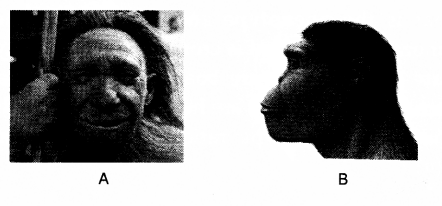
(b) Identify Australopithecus and Neanderthal man from the above pictures.
(b) Mention two charcterstic feature each for the two stages.
(b) Who proposed the theory of ‘Natural Selection’?
(b) Name the organism used as an example to ‘Industrial Melanisum’.
(b) Give two examples of vestigial organs in humans.
(a) Given below is an apparatus which was set up to investigate a physiological process in plants. The setup was placed in bright sunlight. Answer the questions that follow :
[5]
(a) Identify Australopithecus and Neanderthal man from the above pictures.
(a) Mention two characteristic features each for the two stages.
(a) Who proposed the theory of ‘Natural Selection’ ?
(a) Name the organism used as an example to explain ‘Industrial Melanisum’.
(a) Give two examples of Vestigial organs in humans.
(b) Given below are two stages in the evolution of man. study them and answer the questions that follow:
[5]
(b) Identify Australopithecus and Neanderthal man from the above pictures.
(b) Mention two charcterstic feature each for the two stages.
(b) Who proposed the theory of ‘Natural Selection’?
(b) Name the organism used as an example to ‘Industrial Melanisum’.
(b) Give two examples of vestigial organs in humans.Ans : null (a) (a) Transpiration, It is the loss of water in the form of water vapour from aerial exposed parts of plants.
(a) To prevent escape of water vapour from the pot.
(a)- Intensity of sunlight
- Increase in temperature
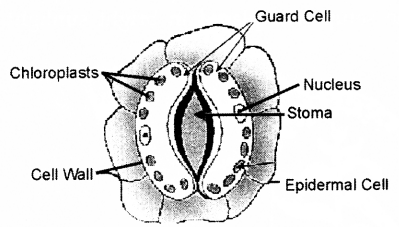
- Sunken stomata
- Thick cuticle
(b) (b) A - Neanderthal
B - Australopithecus
(b) A - Height 600 cm, cranial capacity 1450 cm3
B - Height 120 cm, cranial capacity 450 - 600 cm3
(b) Charles Darwin
(b) peppered moth (Biston bitularia)
(b) Vermiform Appendix ; Wisdom tooth
(a) (a) Transpiration, It is the loss of water in the form of water vapour from aerial exposed parts of plants.
(a) To prevent escape of water vapour from the pot.
(a)- Intensity of sunlight
- Increase in temperature
- Sunken stomata
- Thick cuticle
(b) (b) A - Neanderthal
B - Australopithecus
(b) A - Height 600 cm, cranial capacity 1450 cm3
B - Height 120 cm, cranial capacity 450 - 600 cm3
(b) Charles Darwin
(b) peppered moth (Biston bitularia)
(b) Vermiform Appendix ; Wisdom tooth
- #5-aGiven below is an apparatus which was set up to investigate a physiological process in plants. The setup was placed in bright sunlight. Answer the questions that follow :
[5]
- #5-a-iIdentify Australopithecus and Neanderthal man from the above pictures.Ans : Transpiration, It is the loss of water in the form of water vapour from aerial exposed parts of plants.
- #5-a-iiMention two characteristic features each for the two stages.Ans : To prevent escape of water vapour from the pot.
- #5-a-iiiWho proposed the theory of ‘Natural Selection’ ?Ans :
- Intensity of sunlight
- Increase in temperature
- #5-a-ivName the organism used as an example to explain ‘Industrial Melanisum’.Ans :
- Sunken stomata
- Thick cuticle
- #5-a-vGive two examples of Vestigial organs in humans.Ans :
- #5-bGiven below are two stages in the evolution of man. study them and answer the questions that follow:
[5]
- #5-b-iIdentify Australopithecus and Neanderthal man from the above pictures.Ans : A - Neanderthal
B - Australopithecus
- #5-b-iiMention two charcterstic feature each for the two stages.Ans : A - Height 600 cm, cranial capacity 1450 cm3
B - Height 120 cm, cranial capacity 450 - 600 cm3
- #5-b-iiiWho proposed the theory of ‘Natural Selection’?Ans : Charles Darwin
- #5-b-ivName the organism used as an example to ‘Industrial Melanisum’.Ans : peppered moth (Biston bitularia)
- #5-b-vGive two examples of vestigial organs in humans.Ans : Vermiform Appendix ; Wisdom tooth