ICSE-X-Biology
Previous Year Paper year:2012
- #2: (a) Given below is an experimental set up to demonstrate a particular process. Study the same and answer the questions that follow :
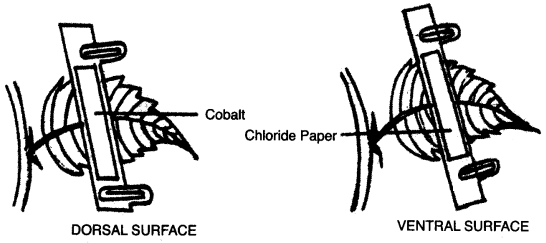 (a) Name the physiological process being studied. (a) Explain the process mentioned above. (a) What is the aim of the above experiment ? (a) What would you observe in the experimental set-up after an hour ? Give a reason to support your answer. (a) Mention any three adaptations found in plants to overcome the physiological process mentioned in (i) above. (b) Give the biological / technical terms for the following : (b) A membrane which allows the passage of molecules selectively. (b) The suppressed allele of a gene. (b) Structure that carries visual stimuli from retina to the brain. (b) WBCs squeeze through the walls of the capillaries into the tissue. (b) Statistical study of human population. (b) Protective coverings located round the human brain and spinal cord. (b) Eye lens losing flexibility resulting in a kind of long sightedness in elderly people. (b) Hormones which stimulate other endocrine glands to produce their specific hormones. (b) The phase in the menstrual cycle in which the remnant of follicle in the ovary turns to Corpus luteum. (b) Artificially introducing weakened germs or germ substance into the body for developing resistance to a particular disease.Ans : (a) (a) Transpiration. (a) Two cobalt chloride papers are attatched, one on the dorsal and the other on the ventral surface of a dorsiventral leaf with the help of glass slide and clips. The set up is left in the open for few hours. (a) To show that more transpiration occurs from the ventral surface of a dicot leaf. (a) After an hour, the cobalt chloride paper placed on the ventral surface turns blue to pink faster than the one on the upper surface.
Because no. of stomata are more on the ventral surface, so more transpiration takes place from the lower surface. (a) 1. Cuticle becomes thick.
2. Leaves becomes narrow.
3. Stomata covered by hair like structures. (b) (b) Selectively permeable membrane (b) Recessive character (b) Optic nerve (b) Diapedesis (b) Demography (b) Meninges (b) Presbypopia (b) Tropic Hormones (b) Luteal phase (b) Vaccination
- #2-a [5]Given below is an experimental set up to demonstrate a particular process. Study the same and answer the questions that follow :
- #2-a-iName the physiological process being studied.Ans : Transpiration.
- #2-a-iiExplain the process mentioned above.Ans : Two cobalt chloride papers are attatched, one on the dorsal and the other on the ventral surface of a dorsiventral leaf with the help of glass slide and clips. The set up is left in the open for few hours.
- #2-a-iiiWhat is the aim of the above experiment ?Ans : To show that more transpiration occurs from the ventral surface of a dicot leaf.
- #2-a-ivWhat would you observe in the experimental set-up after an hour ? Give a reason to support your answer.Ans : After an hour, the cobalt chloride paper placed on the ventral surface turns blue to pink faster than the one on the upper surface.
Because no. of stomata are more on the ventral surface, so more transpiration takes place from the lower surface.
- #2-a-vMention any three adaptations found in plants to overcome the physiological process mentioned in (i) above.Ans : 1. Cuticle becomes thick.
2. Leaves becomes narrow.
3. Stomata covered by hair like structures.
- #2-b [5]Give the biological / technical terms for the following :
- #2-b-iA membrane which allows the passage of molecules selectively.Ans : Selectively permeable membrane
- #2-b-iiThe suppressed allele of a gene.Ans : Recessive character
- #2-b-iiiStructure that carries visual stimuli from retina to the brain.Ans : Optic nerve
- #2-b-ivWBCs squeeze through the walls of the capillaries into the tissue.Ans : Diapedesis
- #2-b-ixStatistical study of human population.Ans : Demography
- #2-b-vProtective coverings located round the human brain and spinal cord.Ans : Meninges
- #2-b-viEye lens losing flexibility resulting in a kind of long sightedness in elderly people.Ans : Presbypopia